
CONGRESS
Languages shaping the future
From September 23 to 26, 2026, the Basque Country will host the International Congress of Minority Language Communities Undergoing Revitalization. Under the slogan Languages shaping the future, the congress aims to bring together diverse language communities from around the world to reflect on revitalization discourses and to position them globally in a transformative way.
For four days, global experts, activists and artists wiill gather between Bilbao, Irun and Hendaia. The lessons, discourses and experiences collected in the previous phases (diagnosis and socialization) will be brought to the forefront through a rich program, combining lectures, roundtables, workshops and artistic cultural events.
SEPTEMBER 23 – Euskalduna Palace, Bilbao
Doors open
Doors open
Official opening
Official opening
Lecture:
BIHAR: the Project that reflects on narratives for language revitalisation
Lecture:
BIHAR: the Project that reflects on narratives for language revitalisation
Panel discussion
Why is it urgent to search for, activate and disseminate new or renewed narratives?
Panel discussion
Why is it urgent to search for, activate and disseminate new or renewed narratives?
Closing event
Closing event

Euskalduna Palace, Bilbao

SEPTEMBER 23
September 24
Document distribution
Document distribution
Reception
Reception
Lecture:
Current international discourses on language revitalisation (key diagnostic insights)
Lecture:
Current international discourses on language revitalisation (key diagnostic insights)
Folk songs
Pieces from Zuberoa (Basque Country), with singers Mixel Etxekopar and Ihitz Iriart
Folk songs
Pieces from Zuberoa (Basque Country), with singers Mixel Etxekopar and Ihitz Iriart
Lecture:
Cultural discourses and symbolic identity construction
Lecture:
Cultural discourses and symbolic identity construction
Break
Break
Lecture:
Language, identity and community knowledge in new narratives of language revitalization
Lecture:
Language, identity and community knowledge in new narratives of language revitalization
Lecture:
Diversity, sustainability and ecological values in language revitalisation narratives
Lecture:
Diversity, sustainability and ecological values in language revitalisation narratives
Lecture:
The Basque Country’s perspective on the diagnosis: contributions from social movements
Lecture:
The Basque Country’s perspective on the diagnosis: contributions from social movements
Lunch break
Lunch break
Folk songs
“Reservista Purahéi” The Reservist’s Song. A song by Paraguayan Guaraní poet Félix Fernández.
Folk songs
“Reservista Purahéi” The Reservist’s Song. A song by Paraguayan Guaraní poet Félix Fernández.
Lecture:
The relational universe: minoritized and indigenous languages as tools for social justice and well-being
Lecture:
The relational universe: minoritized and indigenous languages as tools for social justice and well-being
Lecture:
The pragmatic value of language. The risks of pragmatic approaches: recreation and folklorization.
Lecture:
The pragmatic value of language. The risks of pragmatic approaches: recreation and folklorization.
Screening and discussion:
Simultaneous programming
Renewing narratives for language revitalisation in the Yucatán Peninsula
Screening and discussion:
Simultaneous programming
Renewing narratives for language revitalisation in the Yucatán Peninsula
Panel discussion
Simultaneous programming
Narratives on identity, culture and memory
Panel discussion
Simultaneous programming
Narratives on identity, culture and memory
Panel discussion
Simultaneous programming
Ecological and linguistic perspectives for community sustainability
Panel discussion
Simultaneous programming
Ecological and linguistic perspectives for community sustainability
Performative dialogue
Simultaneous programming
Community dance as a key to live our languages in the 21st century
Performative dialogue
Simultaneous programming
Community dance as a key to live our languages in the 21st century
September 25
Doors open
Doors open
Reception
Reception
Lecture:
Languages in resistance: agency, community mobilization and future narratives for language revitalization
Lecture:
Languages in resistance: agency, community mobilization and future narratives for language revitalization
Lecture:
Narratives and community empowerment: building collective agency through one’s own voice
Lecture:
Narratives and community empowerment: building collective agency through one’s own voice
Lecture:
Voice and justice: social struggles in language revitalisation and the leap towards agency
Lecture:
Voice and justice: social struggles in language revitalisation and the leap towards agency
Lecture:
Beyond Recognition: Translating the UN Declaration on the Rights of Indigenous Peoples into Language Policy
Lecture:
Beyond Recognition: Translating the UN Declaration on the Rights of Indigenous Peoples into Language Policy
Lecture:
Cultural discourses and the symbolic construction of identity belonging
Lecture:
Cultural discourses and the symbolic construction of identity belonging
Break
Break
Presentation
Painter Joan Carles Couderc will present a work created live.
Presentation
Painter Joan Carles Couderc will present a work created live.
Panel discussion
Elements for articulating a global discourse
Panel discussion
Elements for articulating a global discourse
Lunch break
Lunch break
Folk songs
“Töpüj” rain flower. Song of the Ayöök community.
Folk songs
“Töpüj” rain flower. Song of the Ayöök community.
Lecture:
International network of language revitalisation communities: why and for what purpose?
why and for what purpose?
Lecture:
International network of language revitalisation communities: why and for what purpose?
why and for what purpose?
Screening and discussion:
Simultaneous programming
“Mai da bai” documentary: from oppression to agency, the Mapuche imagining the future
Screening and discussion:
Simultaneous programming
“Mai da bai” documentary: from oppression to agency, the Mapuche imagining the future
Participatory debate
Simultaneous programming
Language rights and social justice: keys for future narratives
Participatory debate
Simultaneous programming
Language rights and social justice: keys for future narratives
Participatory debate
Simultaneous programming
Contributions of technology and artificial intelligence to language revitalisation
Participatory debate
Simultaneous programming
Contributions of technology and artificial intelligence to language revitalisation
Experience sharing
Simultaneous programming
Practices for building future narratives
Experience sharing
Simultaneous programming
Practices for building future narratives
Ficoba – Irun
September 24,25
September 26
Reception at the house of Occitan activist Joan Petit
FICOBA (Irun)
Start of the musical parade
Bridge (Irun-Hendaye)
Multilingual reading of the manifesto – Txalaparta – Dance
Bordeline Factory (Hendaye)
Cheerfully wet throat
Bordeline fabrika (Hendaia)
Hendaia & Irun
September 26
Artistic and cultural programme
september 24
Guided visit
Guided political-cultural visit of Hendaia, with guide and artist Iban Régnier.
Departure from the Bordeline fabrika (Hendaia)
Guided visit
Guided political-cultural visit of Hendaia, with guide and artist Iban Régnier.
Departure from the Bordeline fabrika (Hendaia)
Concert
Pantxix Bidart and Primaël Montgauzi offer a poetic encounter between Basque and Occitan cultures. A fireside moment of complicity, accompanied by music, stories and songs.
Bordeline fabrika (Hendaia)
Concert
Pantxix Bidart and Primaël Montgauzi offer a poetic encounter between Basque and Occitan cultures. A fireside moment of complicity, accompanied by music, stories and songs.
Bordeline fabrika (Hendaia)
september 25
Dance
Kulturen arteko dantzaldi parte hartzailea. Participatory intercultural dance. Through a stimulating dialogue between dance and music, it invites everyone to dance and move.
Bordeline fabrika (Hendaia)
Dance
Kulturen arteko dantzaldi parte hartzailea. Participatory intercultural dance. Through a stimulating dialogue between dance and music, it invites everyone to dance and move.
Bordeline fabrika (Hendaia)
Concert
A young Breton band that has chosen to create in its own language. The power of rock and the vitality of punk form the basis of songs recounting everyday life.
Bordeline fabrika (Hendaia)
Concert
A young Breton band that has chosen to create in its own language. The power of rock and the vitality of punk form the basis of songs recounting everyday life.
Bordeline fabrika (Hendaia)
Concert
A lively and committed rap group from Bayonne. In their songs, they tackle social and political themes, painting through music a realistic picture of 21st-century society.
Bordeline fabrika (Hendaia)
Concert
A lively and committed rap group from Bayonne. In their songs, they tackle social and political themes, painting through music a realistic picture of 21st-century society.
Bordeline fabrika (Hendaia)
Hendaia
Borderline factory.
Registration
Join us at the congress!
Speakers
Our guests
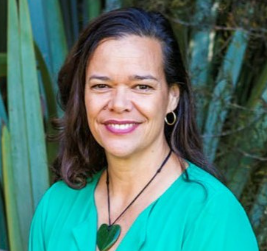
Rahera Cowie
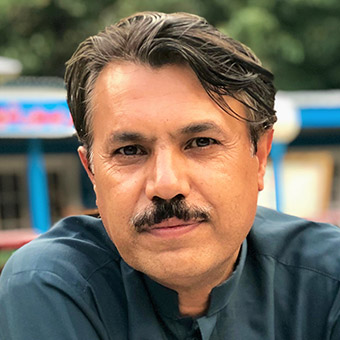
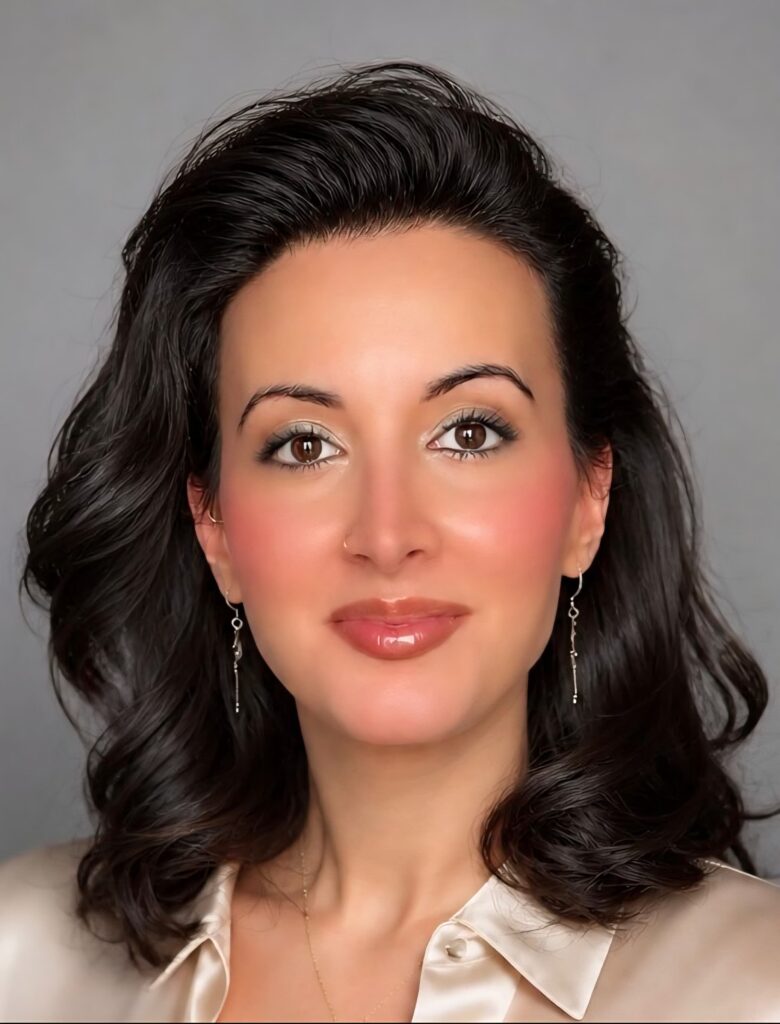
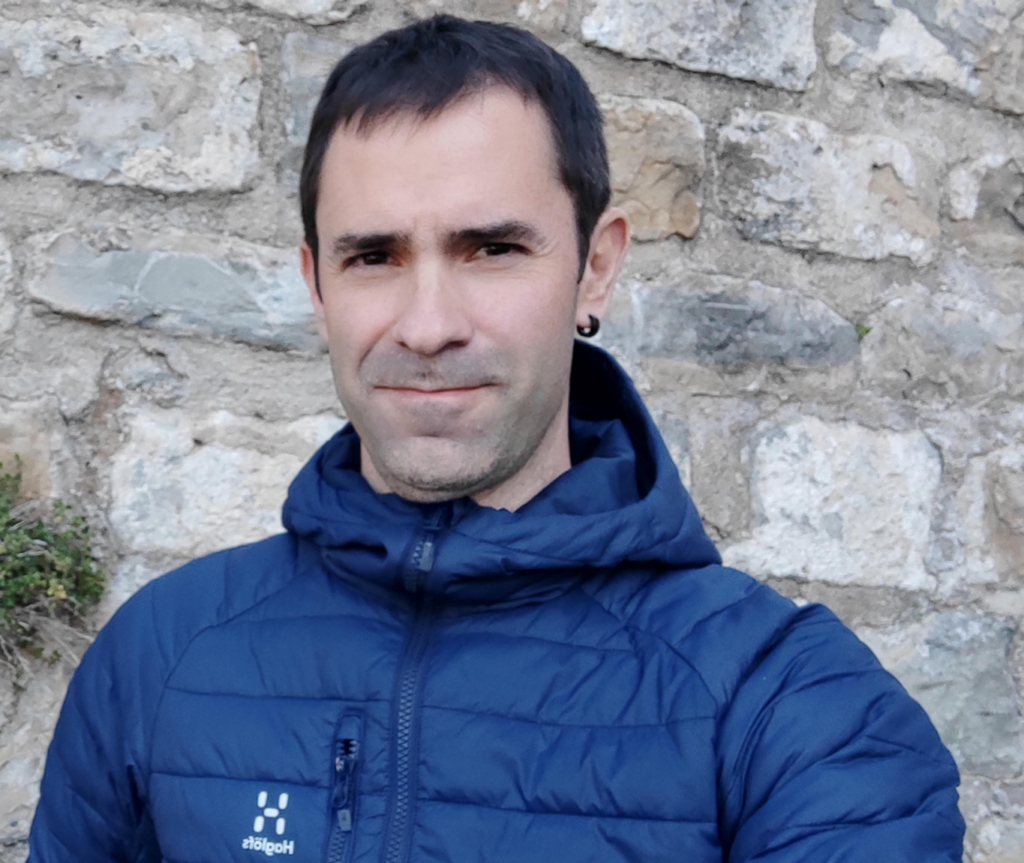
Aritz Ibañez Lusarreta
Kekoa Lloyd Harman

Darren Flavelle
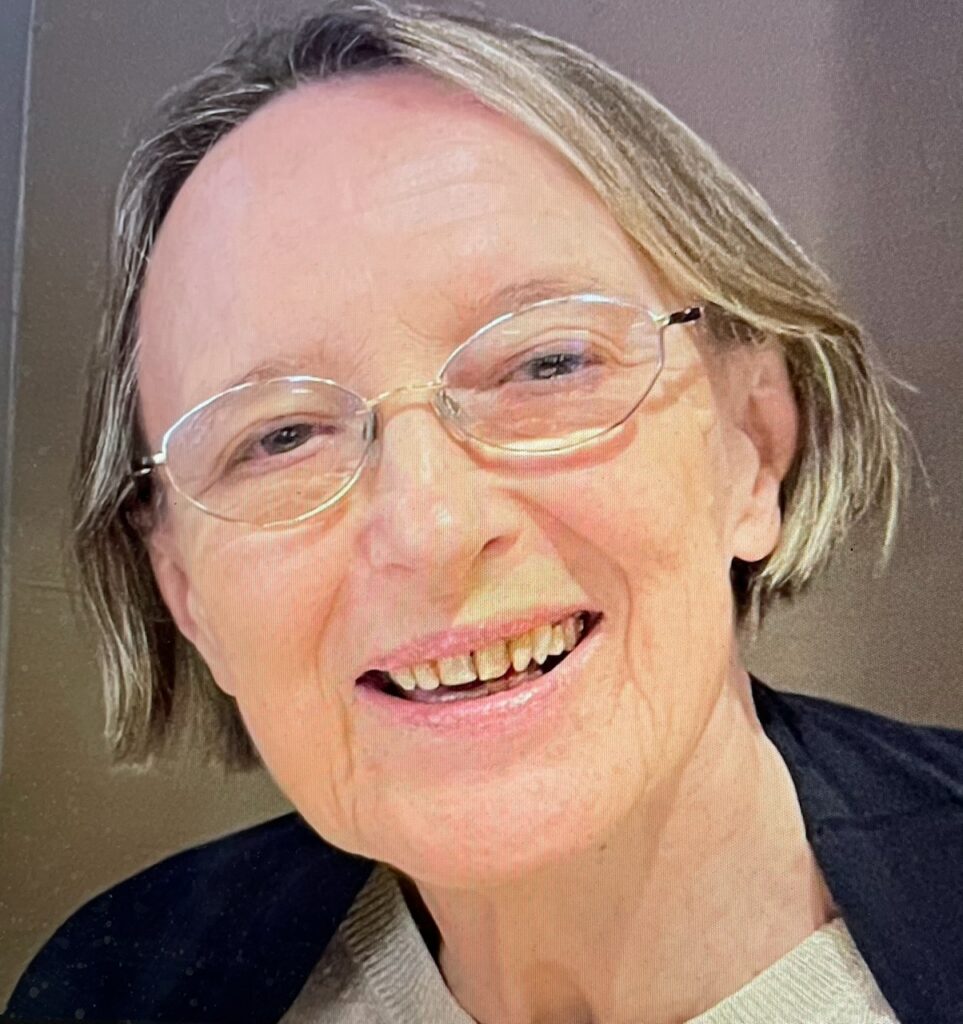
Jelisava Dobovsek Sethna
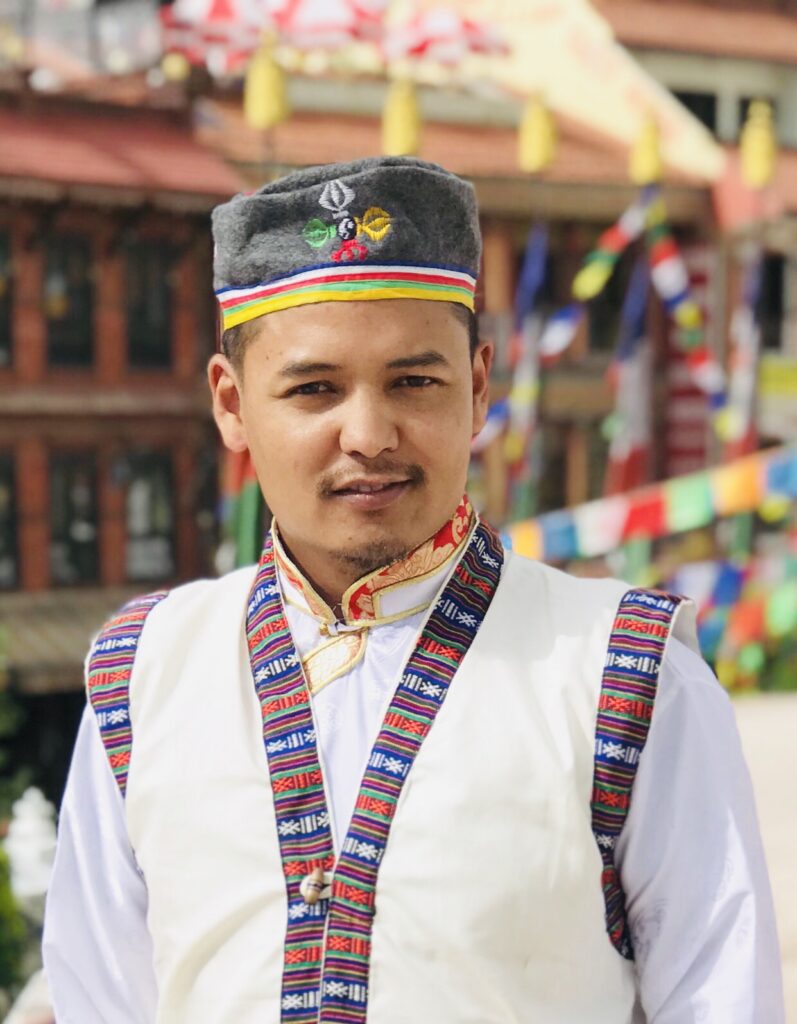
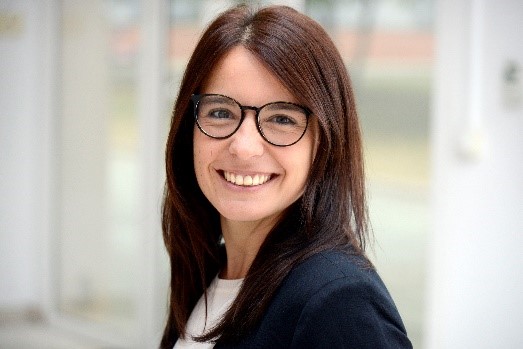
Paula Laita Pallares
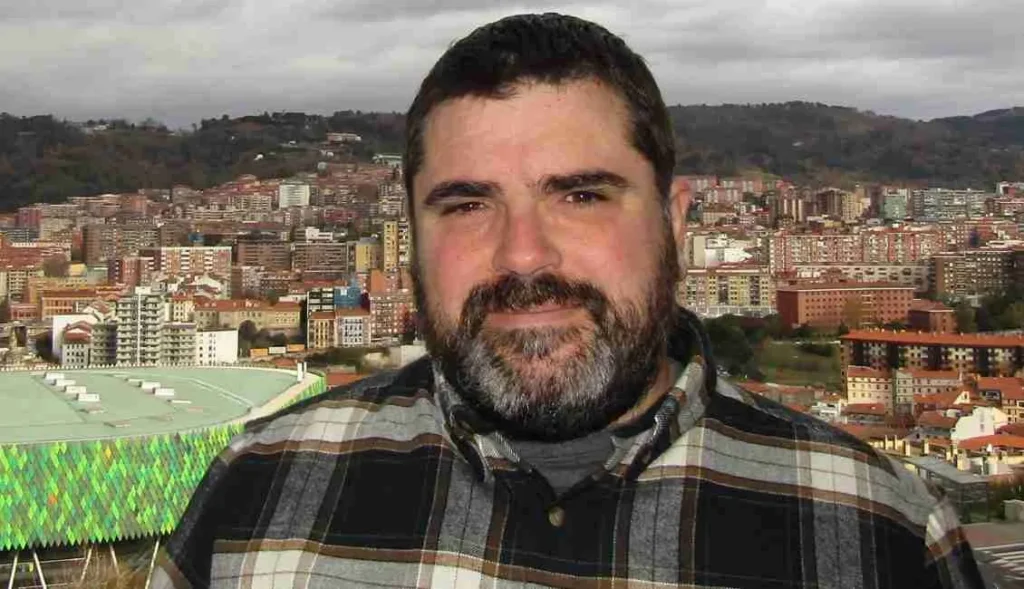
Urtzi Urrutikoetxea
Belen Uranga Arakistain
Maria Auxiliadora Izquierdo Perez
Gaël Roblin
Mustapha El Adak
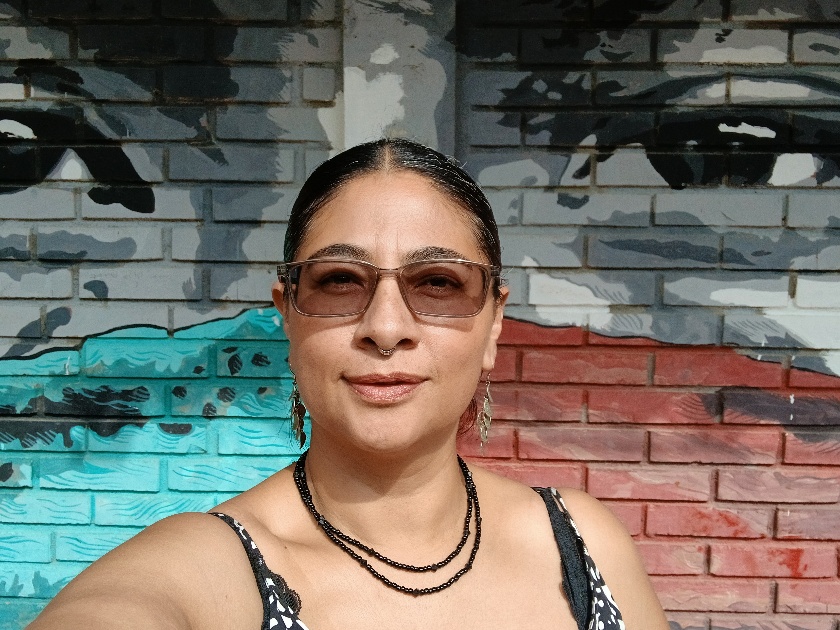
Miriam Viviana González Garzón
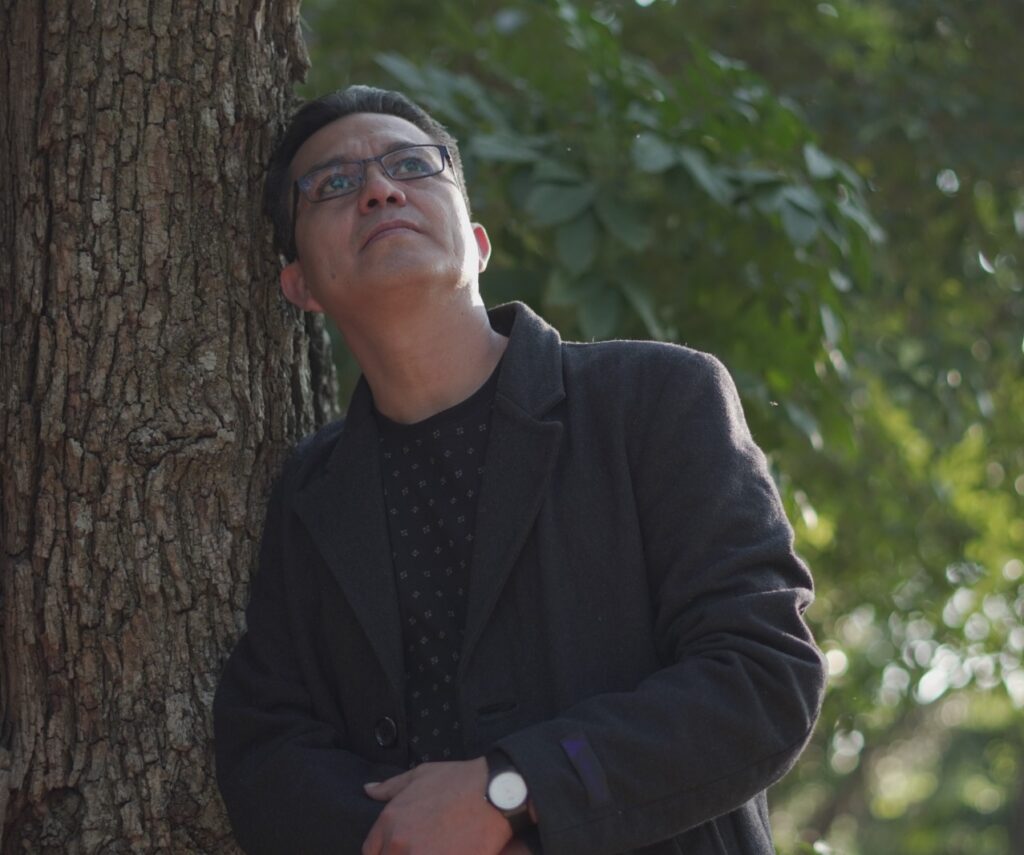
Elías Caurey
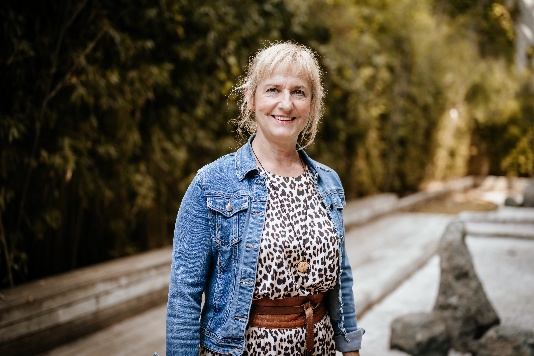
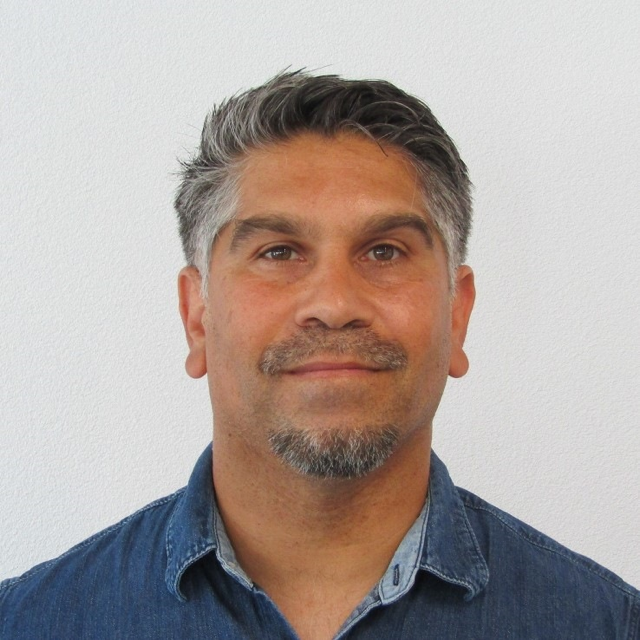
Jon Sarasua Maritxalar
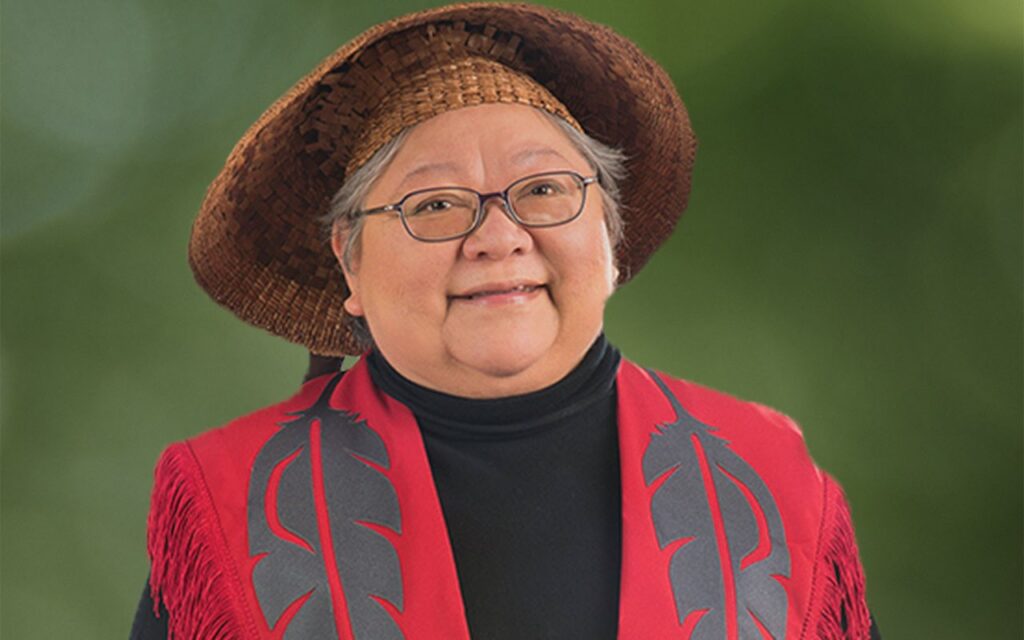
Lorna Wanosts’a7 Williams
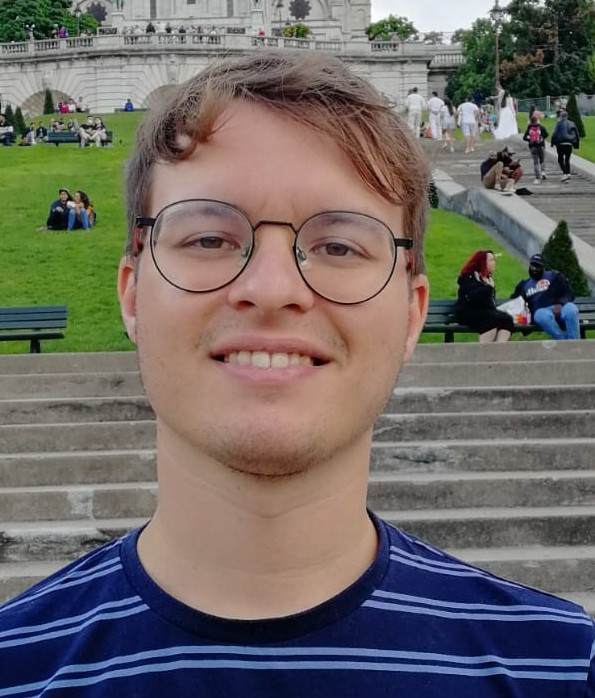
Albert Badosa Roldós
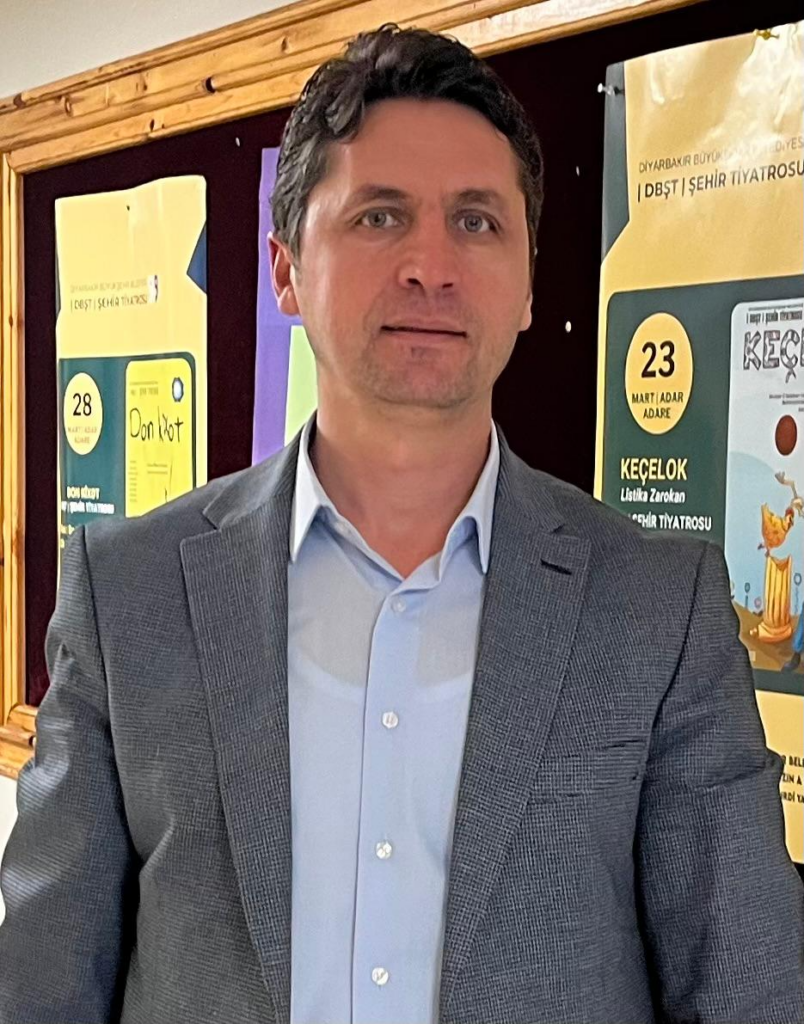
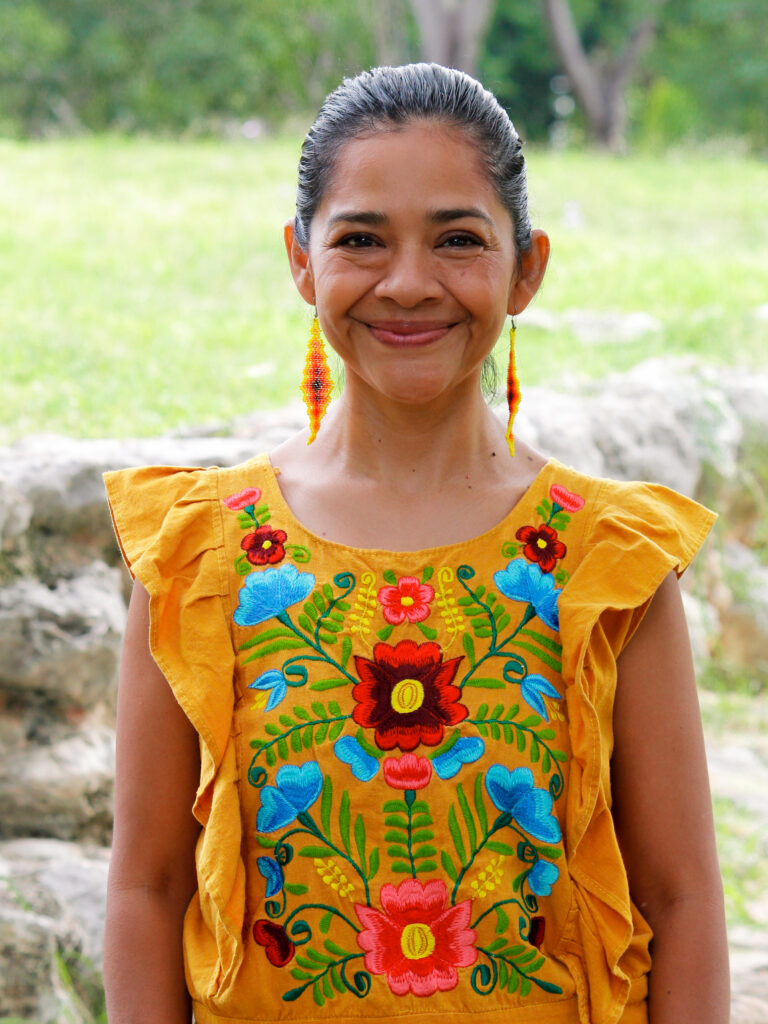
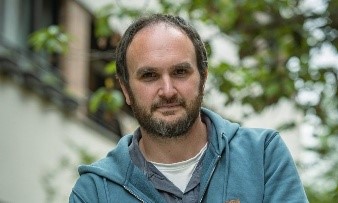
Xan Aire Hasket
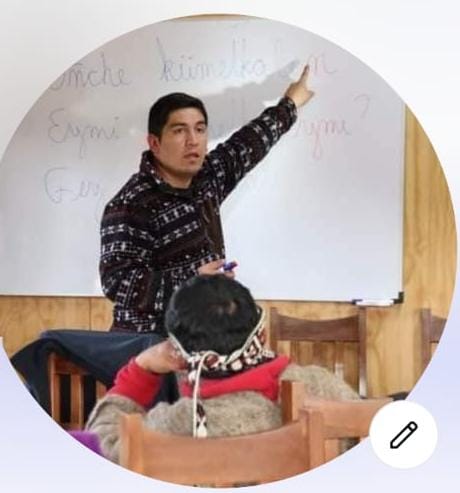
Sergio Andrés Marinao Nahuelpan
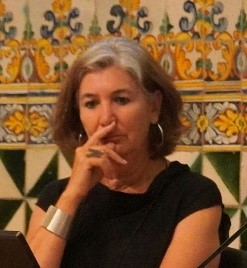
Monica Pereña Perez
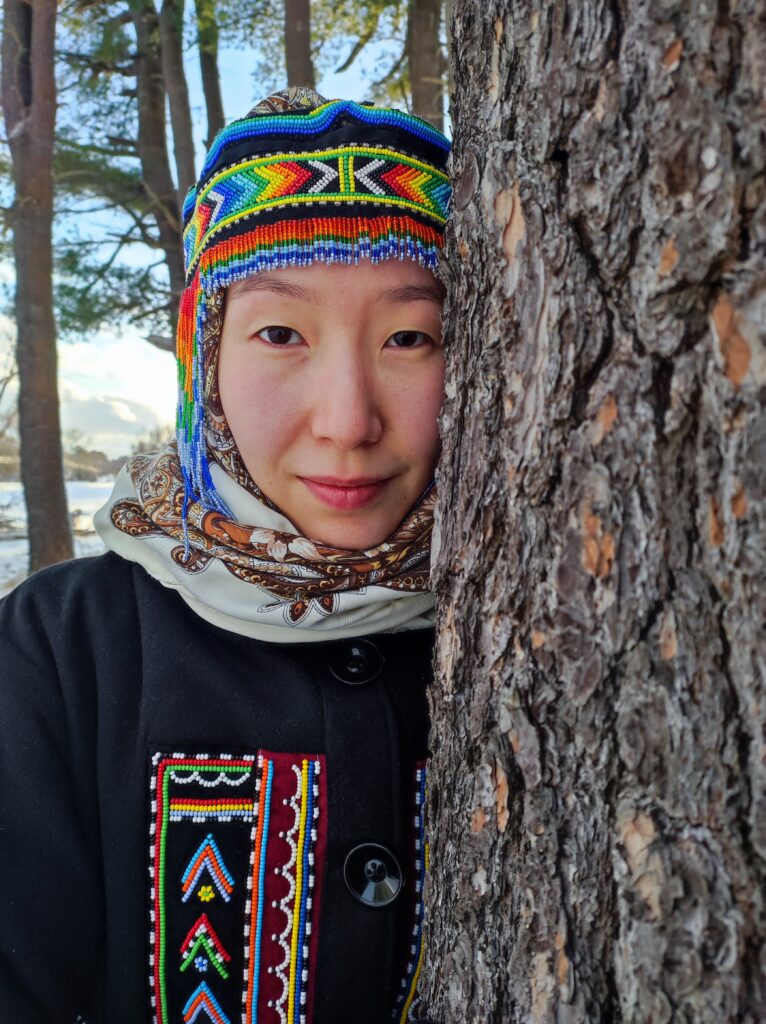
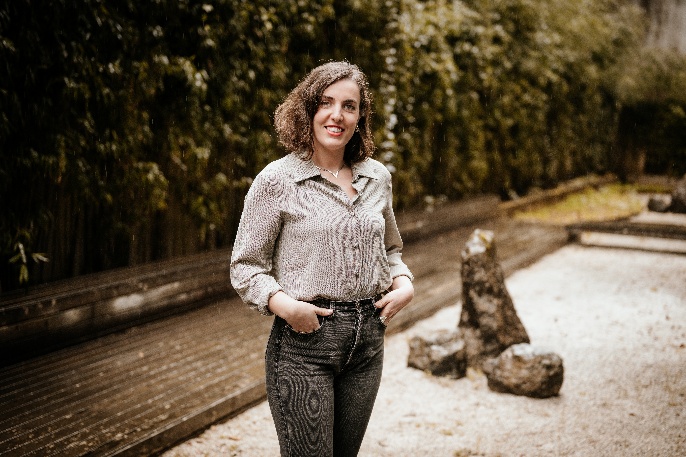

Ganesh Narayandas Devy
Andichi Chahid
Practical information for Congress participants
Thank you for participating in our conference. This document provides useful information about the venues, travel, accommodation and mobility.
Location
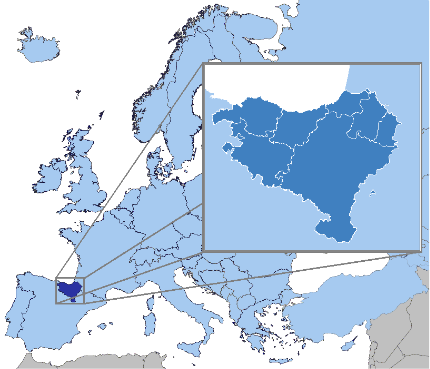
The conference will take place in the Basque Country, located in southwestern Europe, between the western Pyrenees and the Bay of Biscay.
Geographical borders:
- North: Bay of Biscay
- East: Pyrenee, Occitania (Béarn) and Aragon
- West: Cantabria and Castille
- South: Ebro River and La Rioja
The Basque Country is made up of seven territories:
- South: Bizkaia, Gipuzkoa, Araba and Nafarroa
- North: Lapurdi, Nafarroa Beherea and Zuberoa
The Basque language (Euskara) is the native language of the region and is currently undergoing revitalisation. In the territory, it coexists with Spanish in the Southern Basque Country, and with French in the Northern Basque Country (as well as with Occitan in certain areas)
NOTICE: If you need assistance with arranging travel between Bilbao–Irun/Hendaia, please contact the organisers so they can help you organise and manage transportation.
23 September – Euskalduna Palace (BILBAO)
 Abandoibarra etorbidea, 4, Abando, 48011 Bilbao, Bizkaia
The welcome reception will be held there.
Website: https://www.euskalduna.eus/en/
Location: https://maps.app.goo.gl/6n8vc56xsdV5Ne1V6
How to get there: https://www.euskaldunabilbao.com/en/euskalduna-palace/how-to-get-there/
24–25 September – FICOBA (IRUN)
Iparralde Hiribidea 43, Irun
It will be the main conference venue.
Website: https://www.ficoba.org/en/
Location: https://maps.app.goo.gl/d8w3ZJhHCejrBJuc6
24–26 September – Borderline Fabrika (HENDAIA)
64 Bd du Général de Gaulle, 64700 Hendaia
Cultural activities will be arranged on the evenigs of the 24–25 September, and a closing event on 26 September.
Website: https://borderlinefabrika.weebly.com/borderlinefabrika.html
Location: https://maps.app.goo.gl/KCJdXSyPic9ySeED8
We have formed the International Advisory Committee to assist in organizing the Congress. These are the members who make up the committee:
- Albert Badosa Roldós, Catalan, Grup de Lingüistes per la Diversitat (GLiDi-UB)
- Alexandra Philbin, Irish, Endangered Languages Project
- Aliana Parker, First Peoples’ Cultural Council
- Amanda Holmes, Mohawk language community, Endangered Languages Project
- Anna Belew, Endangered Languages Project
- Danika Vickers, Haíɫzaqvḷa language community, Endangered Languages Project
- Elvis Bolivar Túquerres Ichau, Ecuadorian Kichwa Karanki, Organización Asociación Kichwakamak Sisariy
- Ernst Djeride Jean-Baptiste, Haitian Creole, MIT-Haiti Initiative
- Igor Xoyón Díaz, Kaqchikel, Red de Escuelas Kaqchikeles: Ruk’u’x Qatinamït
- Ihitz Iriart Casenave, Basque, singer, dancer, and cultural agent
- Iñaki Sagardoy Leuza, Basque, Public University of Navarre
- Kekoa Harman, Hawaiian Language, University of Hawaiʻi at Hilo
- Mirjam Vellinga, Frysk, Afûk organisation
- Monica Pereña Perez, Catalan, Associació Linguapax Internacional
- Mustapha El Adak, Amazigh community, university researcher/University of Oujda
- Paula Kasares Corrales, Basque, sociolinguist
- Pius Akumbu, Babanki language community, Endangered Languages Project / CNRS-LLACAN
- Rahera Cowie, Ngāi Tahu, Ngāpuhi, and Ngāti Kahu Māori tribes, University of Canterbury
- Miriam Viviana González Garzón, collaborator from the Nasa people, Plan de Vida Proyecto Nasa and Garabide
- Yasnaya Elena Aguilar, Mixe, Colectivo Mixe
- Yazmin Novelo, Yucatec Maya, Endangered Languages Project / U péekbal waye’
- Yulha Lhawa, Khroskyabs language community, Endangered Languages Project